Checklist: Hosting a Civil Political Dinner Without Ruining Dessert
Somewhere between the second helping of potatoes and the first slice of pie, someone will say the thing. It might be about an election, a school board, a border, a bill. The table goes quiet in that particular way, and every guest starts deciding whether they are the kind of person who lets it go or the kind of person who doesn't.
The useful part is this: that moment is not an accident, and it is not inevitable. Most ruined dinners are ruined by hosts who never decided what the evening was for. A few small choices, made before anyone rings the doorbell, will protect both the conversation and the pie.
Decide what the dinner is for, then say it out loud
There are two honest options. Either politics is welcome at the table and everyone agrees to keep it civil, or the table is a no-fly zone for the evening and you say so plainly. Ambiguity is what gets you. Guests can handle a rule. They cannot handle a mood they are supposed to guess at.
You do not need a policy memo on the invitation. One light line does the work: "Fair warning, we're a politically mixed bunch, so dinner is a score-free zone." Or the other direction: "I'd love a real conversation about the election, but I'm cooking, so I get to call time-outs."
Know your guest list, too. If two people have a genuine grievance between them, you are not obligated to seat them at the same table, or to invite everyone at once. Hosting is curation, not a plebiscite. It is not a failure of hospitality to have two smaller dinners instead of one difficult one.
Set the table so it does some of the work
Seating
Mix the table deliberately. Do not put the two loudest people opposite each other, where they can make eye contact all night. Put a talker next to a listener. A table of eight is more forgiving than a table of four, because conversation splits into smaller currents and no single exchange has to carry the evening.
Distractions and drink
Turn off the television. Pundits are professionally inflammatory; you invited amateurs. Phones go face down in a bowl or, if your crowd can take it, in another room.
Alcohol matters more than most hosts admit. A second bottle loosens exactly the inhibitions that keep a dinner pleasant. Keep water on the table, pour slowly, and have something good for guests who are not drinking. If someone at the table is in recovery, do not make it a topic.
Say your boundary once, then change the subject
A boundary without a redirect is just a scolding. These lines work without sounding like a memo from Human Resources:
- "I want to hear your take. Give me the short version, I'm still cooking."
- "That's a bigger conversation than this table can hold. Let's get coffee next week."
- "We're not going to settle this tonight, and that's fine. Pass the beans."
- "I'm going to stop you there, not because you're wrong, but because I like this room better when it's friendly."
- "Can we park this until after dessert?"
Say it once, warmly, and then offer a real subject. Not "so, anyway," which means nothing. Something like "Tell me about the new job" or "How's your mother doing?" An actual question is the redirect. A vague one is a roadblock.
Ask questions that open, not questions that detonate
"How can you possibly support that?" is not a question. It is a verdict with a question mark attached. Real questions sound like this:
Two worth memorizing
"What convinced you?" and "What worries you most about it?"
Both are hard to answer with a slogan and easy to answer honestly. Follow up with "tell me more," which is the most underrated sentence in the language. So is "What would have to change for you to feel differently?" Asked with real curiosity, that one can genuinely surprise you, because it assumes the other person has reasons. That assumption is the whole ballgame.
One rule for yourself: don't ask a question if you are only collecting ammunition. Guests can hear the difference between interest and cross-examination. If your goal is conversion, skip the questions entirely and talk about the weather. You will both have a better night.
The ninety-second redirect
When the table starts to tilt, when voices rise and someone leans forward and someone else goes quiet, you have roughly a minute and a half before it hardens into a fight. Use it.
- Name the temperature, lightly. "Okay, we're getting loud." Said with a grin, it is a release valve, not a rebuke.
- Lower your own volume. Rooms match the quietest confident voice in them.
- Move something physical. Pass the bread. Stand up for a napkin. Motion breaks the spell of a stare-down.
- Offer a graceful exit. "You've made your point, I'll think about it." People stop arguing when stopping doesn't cost them face.
- Call a break if you need one. "Let's clear plates." Standing up resets a room faster than anything you can say.
The correction trap
Resist the urge to fact-check across the table. Being right in front of eight people feels like winning and lands like humiliation, and nobody at that table will remember the correction. They will remember the tone. Save it for a private word later, or let it go entirely, which is usually the better trade.
Also, never let two guests go at each other while the rest of the table watches like spectators. Bring a third person in. Ask someone else a question. A wider conversation is a safer one.
Decide when dinner ends
Pick a time and protect it. Nine-fifteen goodbyes are kinder than eleven o'clock autopsies. And make it a house rule that the soft subjects get dessert: the trip, the dog, the ridiculous thing that happened at work. If politics was the meal, let dessert be something else. Hosts who announce "I'm so glad we did this" while the coffee is still hot protect an evening far better than hosts who let it run until someone says something they can't take back.
Your five-minute pre-dinner check
- What is this dinner for, and does everyone know?
- Who sits where, and who should not sit together?
- What is the one line I will say if it turns?
- What is my redirect subject, ready to go?
- When does the evening end?
If it blows up anyway, remember that a short apology the next day costs you almost nothing and repairs more than any argument ever won. Most people arrive at a dinner table wanting to like each other. Give them the chance, and then hand out the pie.
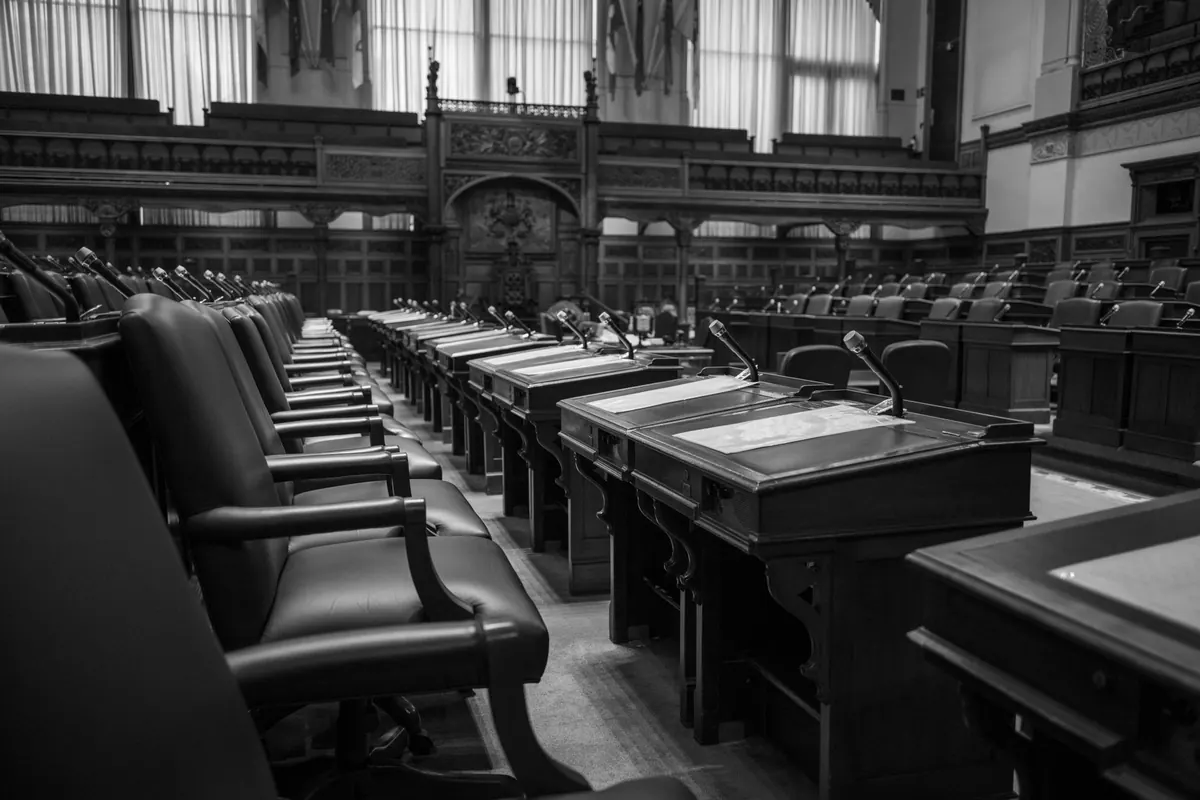
Photo: August de Richelieu / Pexels