Checklist: 8 Questions to Ask Before Trusting a Breaking News Alert
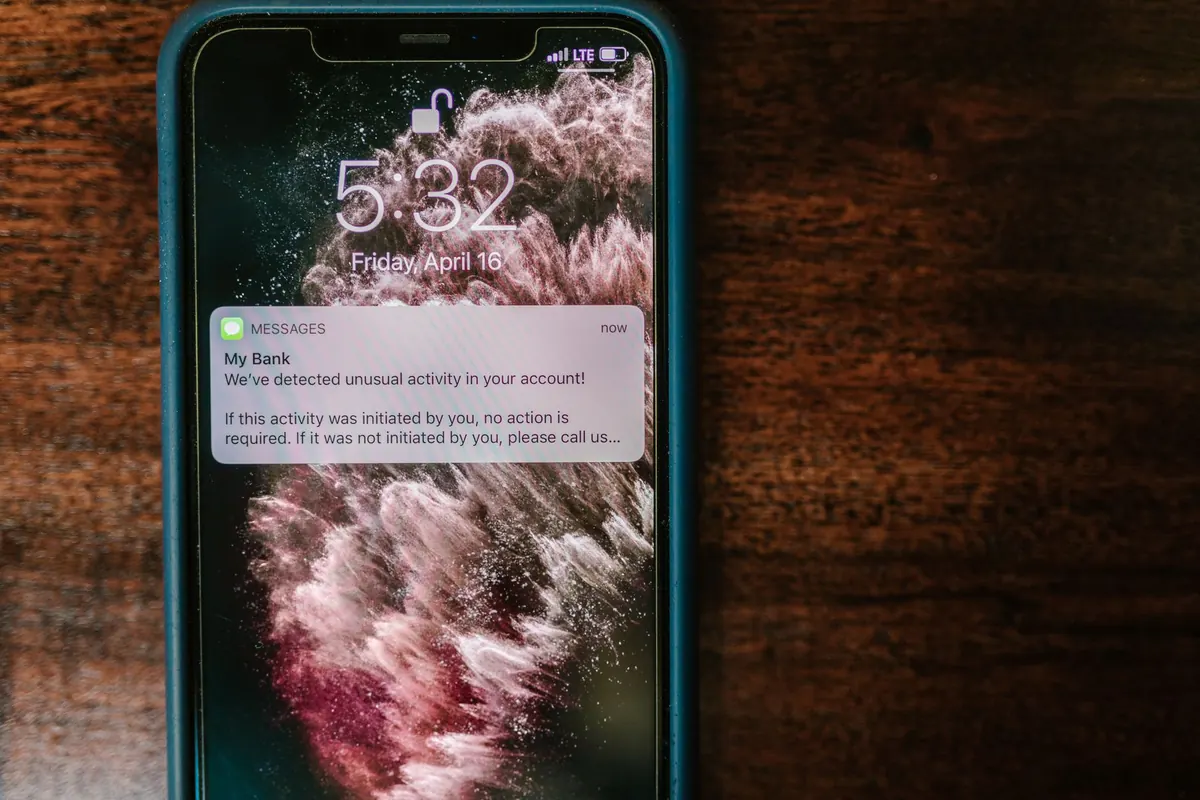
A phone buzzes. A banner appears. Something enormous has apparently just happened, and within ninety seconds it is on three social feeds, in two group chats, and half-formed in your own head. That is not a failure of intelligence. It is how breaking news works.
Early reports are a rough draft written in public. Details shift, numbers get revised, names get attached to the wrong people. None of that means anyone lied. It means the story was still moving while everyone was reading it.
What follows is a checklist, not a rulebook. Eight questions worth asking before you repeat a claim, plus the signals that should make you pause and the habits that make waiting easier.
Why the first version is usually the roughest
An alert is written to be short and certain. A correction is written to be long and buried. That asymmetry does most of the damage.
Reporters are filing against a clock, often with one source and no documents. Editors publish what they can stand behind at that moment, knowing more is coming. Then the story changes — the death toll drops, the location moves a block, the suspect is released — and the correction quietly lands hours later, where almost nobody sees it.
Speed is what makes an alert useful. It is also what makes it least reliable.
The eight questions
1. Who is actually making the claim?
There is a wide gap between "a police spokesperson said," "according to a court filing," and "sources say." Attribution tells you how much weight the sentence can carry. If you cannot name who said it, you cannot judge how much it is worth.
2. What does the source gain?
A department wants cooperation. A politician wants credit. A company wants the framing. An anonymous account wants attention. Motive does not make a claim false, but it tells you where to look for verification.
3. Is anyone on the record?
Anonymous sourcing is legitimate and sometimes necessary, particularly when a person risks their job by talking. But a single anonymous source, alone, in a fast-moving story, is a hypothesis — not a fact. Look for corroboration: a document, a second independent source, a named official confirming later.
4. Is this an outcome or a process?
"Officials are weighing," "a bill was introduced," "talks are underway," and "a deal was signed" are four different stages of the same story. Headlines flatten them into one. When you read that something will happen, ask who promised the timeline and whether it binds anyone.
5. What is shown, and what is merely asserted?
Photos and video feel like proof, but they need a date, a place, and a trail back to whoever first posted them. Old footage resurfaces during every major event. Screenshots of screenshots lose timestamps and context. Ask when it was taken, where, and by whom.
6. Who else has it, and are they independent?
Ten outlets repeating one wire story is one source, not ten. Look for an outlet that did its own work: its own interview, its own documents, its own reporter standing there. If every version traces back to the same post, you are watching a rumor with good distribution.
7. What would it take for this to be wrong?
If nothing could disprove the claim, it is not reporting yet. A toll, a vote count, a named suspect — those can be checked and revised. "Something big is coming" cannot be checked at all.
8. What does the story still need?
Most early reports are missing one of four things: a second source, a document, an official statement, or simply time. Naming what is absent tells you whether to wait an hour or ignore it entirely.
Red flags worth slowing down for
- A dramatic, specific number paired with "reportedly" and no named source.
- One screenshot doing all the work, with no link to the original post.
- An account that posts only breaking news, in all caps, with no byline or masthead.
- Numbers with nothing to compare them to. Thousands affected out of how many?
- Emotion doing the arguing: outrage, fear, triumph, relief.
- The word "confirmed" with nobody's name attached to it.
- Identical phrasing appearing across many accounts within minutes.
The first ten minutes
- Open the original post or article rather than the screenshot, and check the timestamp against your clock.
- Search the core claim — the name, the town, the agency — and see whether any outlet with a newsroom and a corrections page has it.
- Check whether the site you are reading names its writers, publishes corrections, and lists who owns it.
- For local stories, look for the local paper or broadcaster. They are often ahead of national coverage and slower to overstate.
- Then choose: share it with a clear caveat, wait, or drop it.
If the story touches your health, money, or legal situation, wait for the primary source — a regulator, a hospital, a court filing — and talk to a qualified professional before you act on a headline.
Build a slower reflex
Waiting an hour costs you almost nothing. Being confidently wrong costs you something you cannot buy back, which is the sense among people who know you that your word means something.
Keep two or three outlets you trust bookmarked, and notice which ones have corrected themselves in public. When you do pass something along before it is settled, label it: early report, unconfirmed, will update. And when you get it wrong, correct it with the same energy you used to share it. That single habit does more for your credibility than any checklist ever will.
Photo: RDNE Stock project / Pexels